
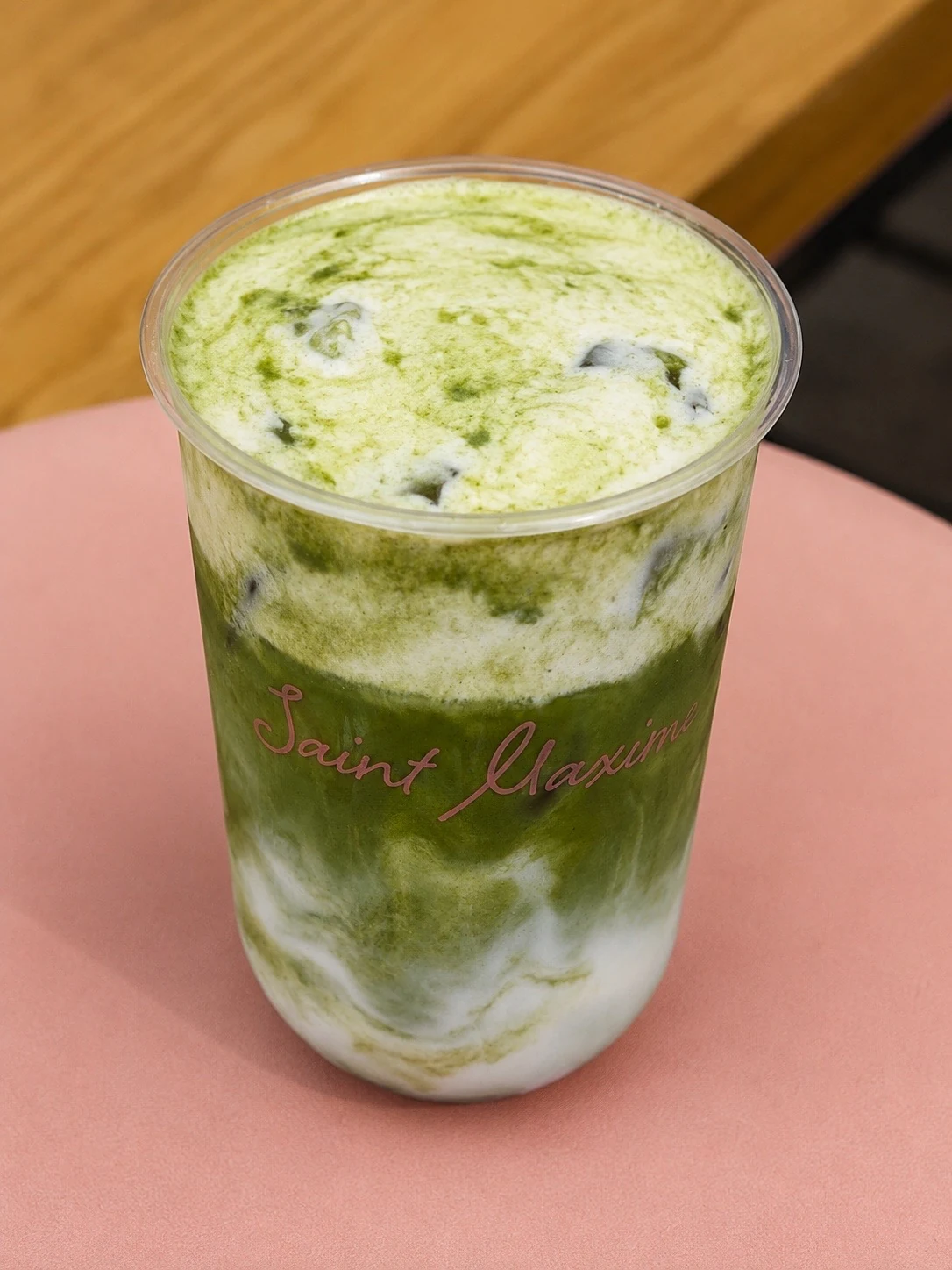
Matcha is a powdered form of green tea, and tea can contribute to surface stains on teeth. A matcha latte may be lighter in color than black coffee or black tea, especially when mixed with milk, but it is not completely stain-proof.
The good news: you do not need to stop drinking matcha. Small habits like drinking water after, avoiding all-day sipping, using a straw for iced matcha, and keeping up with regular brushing and dental cleanings can help reduce staining.
Why Matcha Can Stain Teeth
Matcha comes from green tea leaves. Because matcha is made from powdered tea leaves, you are drinking the tea leaf itself instead of only steeped tea water.
Tea naturally contains plant compounds and color pigments that can attach to the outer surface of teeth. Over time, frequent tea drinking can contribute to extrinsic stains, which means stains on the outside of the tooth.
That does not mean matcha is “bad” for your teeth. It just means matcha, like coffee, tea, red wine, and other colored drinks, can leave surface stains if you drink it often and let it sit on your teeth.
Does Matcha Stain Teeth More Than Coffee?
Usually, matcha looks less aggressive than coffee because it is green and often mixed with milk. But the real answer depends on the drink and your habits.
Coffee is dark, acidic, and known for staining. Black tea can also stain teeth strongly. Matcha is green tea, so it may feel lighter than coffee or black tea, but it can still contribute to staining over time.
The biggest factors are:
- how often you drink it
- how long you sip it
- whether it has sugar or syrups
- whether you rinse with water after
- your enamel, plaque buildup, and dental routine
A quick iced matcha latte with water after is very different from slowly sipping a sweet matcha drink for three hours.
Does Milk in a Matcha Latte Prevent Stains?
Milk may make the drink lighter in color and softer on the palate, but it does not make matcha latte stain-proof.
A matcha latte still contains tea. If you drink it daily, especially slowly, some staining can still happen over time.
Also, if the matcha latte is sweetened, the sugar does not directly “stain” teeth in the same way tea pigments do, but it can make the drink stickier and less ideal for oral health if it sits on the teeth for a long time.
Is Iced Matcha Better for Teeth Than Hot Matcha?
Iced matcha can be easier to drink through a straw, which may reduce contact with the front teeth. That can help if you are worried about visible staining.
But iced matcha is not automatically better. If you sip it slowly all afternoon, your teeth get more exposure.
For staining, sipping time matters a lot. A drink finished in 15 to 30 minutes is usually better than a drink stretched across several hours.
How to Drink Matcha Without Staining Your Teeth as Much
You do not need a complicated routine. Keep it simple:
- Drink water after your matcha.
- Use a straw for iced matcha.
- Avoid sipping the same drink for hours.
- Keep sweet add-ons moderate.
- Brush twice a day with fluoride toothpaste.
- Clean between your teeth daily.
- Keep up with regular dental cleanings.
If you want to brush after matcha, it is usually better to rinse with water first and not scrub aggressively right away. Your dentist can give the best advice based on your enamel and sensitivity.
Can Matcha Make Teeth Yellow?
Matcha can contribute to yellowing or dullness over time if it becomes a daily habit without good oral care. But yellow teeth are not usually caused by one drink alone.
Tooth color can change from many things:
- coffee
- tea
- red wine
- smoking
- plaque buildup
- aging
- genetics
- certain medications
- dental history
If your teeth suddenly change color, or if you see brown spots, pain, sensitivity, or rough areas, it is better to ask a dentist instead of assuming it is just matcha.
Is Matcha Bad for Your Teeth?
Matcha is not automatically bad for your teeth.
The concern is mostly surface staining and how the drink is consumed. A simple matcha latte enjoyed in a normal window is very different from a very sweet drink sipped slowly for half the day.
If you love matcha and care about stains, the best approach is not panic. Just drink water after, avoid all-day sipping, and keep your dental routine consistent.
Bottom Line
Yes, matcha latte can stain your teeth over time because matcha is a type of tea, and tea can contribute to surface stains.
But matcha latte is not something you need to avoid completely. The main thing is how often you drink it, how long it sits on your teeth, and how well you care for your teeth afterward.
At Saint Maxime Coffee in Venice Beach, we think matcha is best enjoyed as a balanced daily ritual: smooth, beautiful, and easy to fit into real life. If you are worried about stains, drink water after your matcha and keep your dental routine simple and consistent.
FAQ
Does matcha stain teeth?
Yes, matcha can stain teeth over time because it is made from green tea, and tea can contribute to surface stains. The amount of staining depends on frequency, sipping time, and oral care.
Does matcha latte stain teeth less than coffee?
Often it may look less staining than black coffee because it is lighter in color and usually mixed with milk, but it can still stain teeth over time. Coffee, tea, and matcha can all contribute to surface stains.
Does iced matcha stain teeth?
Yes, iced matcha can still stain teeth. Drinking it through a straw and rinsing with water after can help reduce contact with the front teeth.
Does milk stop matcha from staining teeth?
No, milk does not make matcha stain-proof. It may make the drink lighter in color, but a matcha latte still contains tea.
How do I prevent matcha from staining my teeth?
Drink water after matcha, use a straw for iced matcha, avoid sipping for hours, brush twice a day, clean between your teeth daily, and keep up with dental cleanings.
Should I brush my teeth right after matcha?
A simple safe habit is to rinse with water after matcha. If you have sensitive enamel or whitening concerns, ask your dentist when it is best to brush after acidic or pigmented drinks.
Is matcha bad for teeth?
Matcha is not automatically bad for teeth. The main concerns are surface staining, caffeine sensitivity for some people, and added sugar if the drink is very sweet.
Related reading
Dental note
This article is informational and not dental advice. For personal whitening, enamel, sensitivity, cavities, gum, or stain concerns, ask your dentist.